
Bali has a way of convincing people that everything here is slow, calm, and effortless. The beaches look peaceful, the air feels warm, and the word relaxation is almost always attached to the island’s name.
But anyone who has actually traveled through Bali knows the truth: vacations can be exhausting.
Long flights, airport transfers, packed itineraries, tropical heat, and the constant movement from one place to another often leave travelers more tired than they expected. Many people arrive in Bali already carrying stress in their bodies and minds — especially around the head, neck, and shoulders.
This is where a Japanese Head Spa quietly stands out, not as a trendy treatment, but as one of the most effective ways to reset your body and nervous system during a Bali vacation.
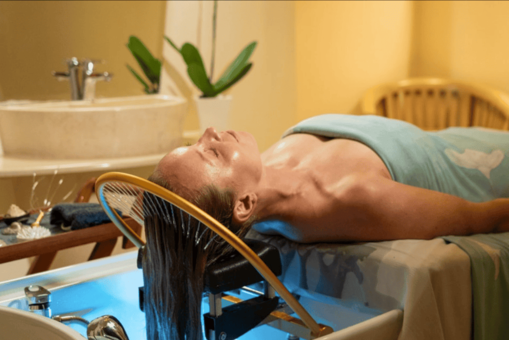
Different Kind of Relaxation
Unlike many spa treatments that focus on physical pressure or muscle work, Japanese head spa works on something deeper: how your body responds to stress.
The experience is unhurried. Movements are slow, deliberate, and rhythmic. There is no rush to “fix” anything. Instead, the treatment allows your body to gradually let go of tension — often without you realizing when it happens.
Many first-time guests describe the same feeling afterward:
a quiet mind, lighter shoulders, and a sense that their breathing has finally slowed down.
This is not accidental. Japanese head spa is designed to guide the body out of overstimulation — something travelers experience more often than they realize.
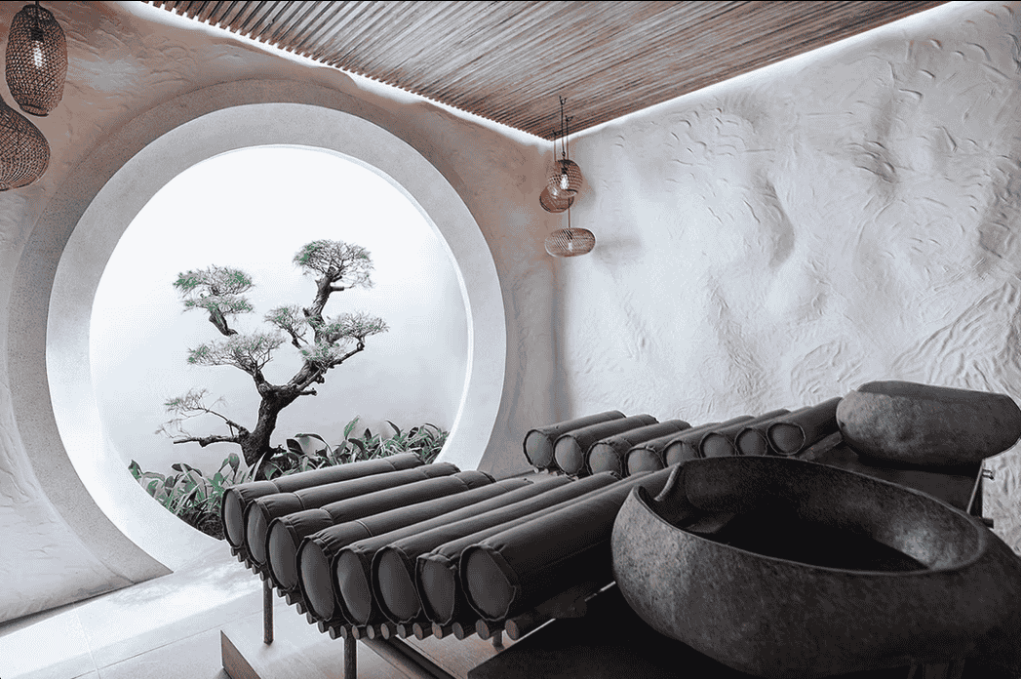
Why Travel Stress Shows Up in the Head
Stress does not always appear as pain. For travelers, it often shows up as:
- A heavy feeling around the temples
- Tightness in the neck and upper shoulders
- Difficulty fully relaxing, even in a beautiful place
- Trouble sleeping after long travel days
The head and scalp are closely connected to the nervous system. When you are overstimulated — from flights, noise, screens, or constant movement — your body stays in an alert state longer than it should.
Japanese head spa is effective because it works directly in this area, helping the body recognize that it is safe to rest.
What Makes Japanese Head Spa So Effective for Stress Relief
The strength of Japanese head spa is not intensity, but precision and pacing.
The treatment follows a structured flow that gently encourages relaxation rather than forcing it. Water therapy elements, controlled scalp movements, and consistent rhythm help calm the nervous system.
For many guests, the effect feels almost meditative. Thoughts slow down. The mind stops racing. The body responds by releasing tension naturally.
This is why Japanese head spa is often recommended not only for relaxation, but for travelers who feel mentally overstimulated or emotionally drained.
Mental Benefits You Feel Almost Immediately
One of the most noticeable benefits appears not in the body, but in the mind.
Guests often report:
- Clearer thinking
- Reduced mental fatigue
- A sense of calm that lasts beyond the treatment
- Improved ability to enjoy the rest of their trip
Unlike treatments that offer short-term relaxation, Japanese head spa tends to leave a lingering sense of balance. This makes it particularly valuable during a vacation, when you want to be present instead of feeling constantly tired.
Gentle Physical Relief Without Overstimulation
Physically, the benefits are subtle but meaningful.
Rather than deep muscle work, Japanese head spa helps release:
- Tension around the neck and shoulders
- Pressure caused by long sitting or travel posture
- Discomfort linked to poor circulation in the scalp area
Because the techniques are gentle, the treatment suits guests who prefer a calm experience rather than strong pressure. It is also ideal for those who feel physically tired but not injured or sore.
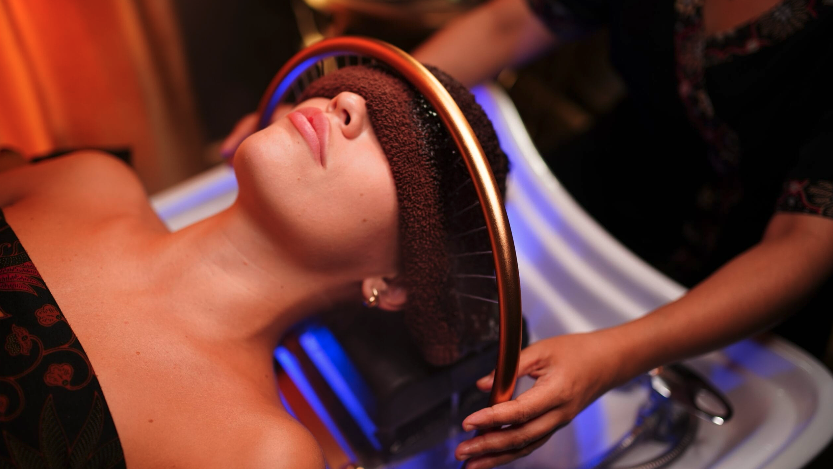
Why Japanese Head Spa Fits Perfectly Into a Bali Vacation
Bali is often associated with wellness, but true relaxation requires more than a beautiful setting. It requires time, intention, and the right kind of treatment.
Japanese head spa fits naturally into a Bali itinerary because it:
- Requires minimal recovery time
- Complements other travel activities
- Helps reset your energy without exhausting you
Many travelers choose it on their first or second day to recover from flights, while others prefer it toward the end of their trip as a way to unwind before returning home.
Who Benefits Most From Japanese Head Spa While Traveling
Japanese head spa is especially suited for:
- Travelers dealing with jet lag
- Visitors with packed itineraries
- Solo travelers seeking quiet moments
- Couples looking for a calming shared experience
It is also ideal for guests who feel mentally tired but do not necessarily want a full body treatment.
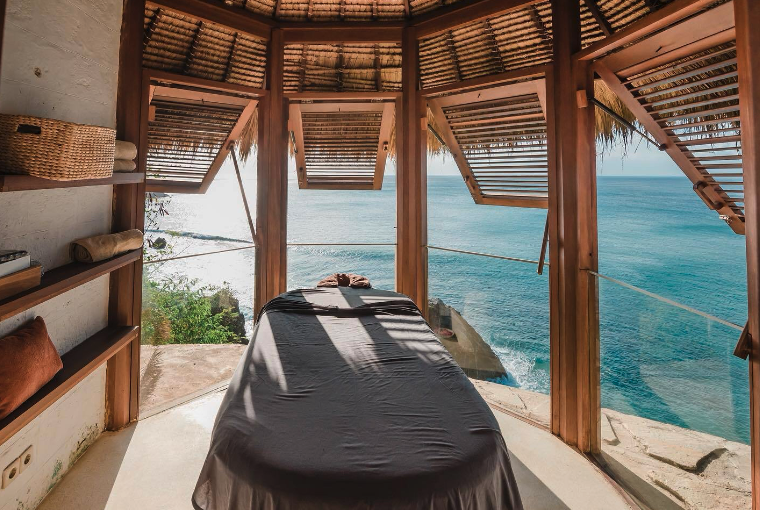
Experiencing Japanese Head Spa at Skinnest Spa Bali
At Skinnest Spa Bali, Japanese head spa is treated as more than a service — it is approached as a carefully guided experience.
The atmosphere is intentionally calm, the pacing unhurried, and the focus always on comfort. Therapists understand that stress relief is not about technique alone, but about how safe and relaxed a guest feels throughout the session.
This approach is what allows many guests to leave feeling not just relaxed, but genuinely refreshed.
When Is the Best Time to Book a Japanese Head Spa?
There is no perfect time, but certain moments tend to enhance the experience:
- After long travel days
- In the evening, when the body is ready to slow down
- On rest days between sightseeing
Choosing a quieter moment in your schedule often allows the benefits to last longer.
A Quiet Reset in the Middle of a Busy Journey
A Bali vacation does not always slow you down on its own. Sometimes, you need a pause that allows your body and mind to catch up.
Japanese head spa offers that pause.
Not loud. Not dramatic. Just deeply calming.
For travelers seeking genuine stress relief — not just another activity — this experience often becomes one of the most memorable parts of their journey.